
Street Smart Meditation
Practicing in the real world means balancing inward awareness with safety. With a few simple precautions, you can take your practice anywhere.
By Clint
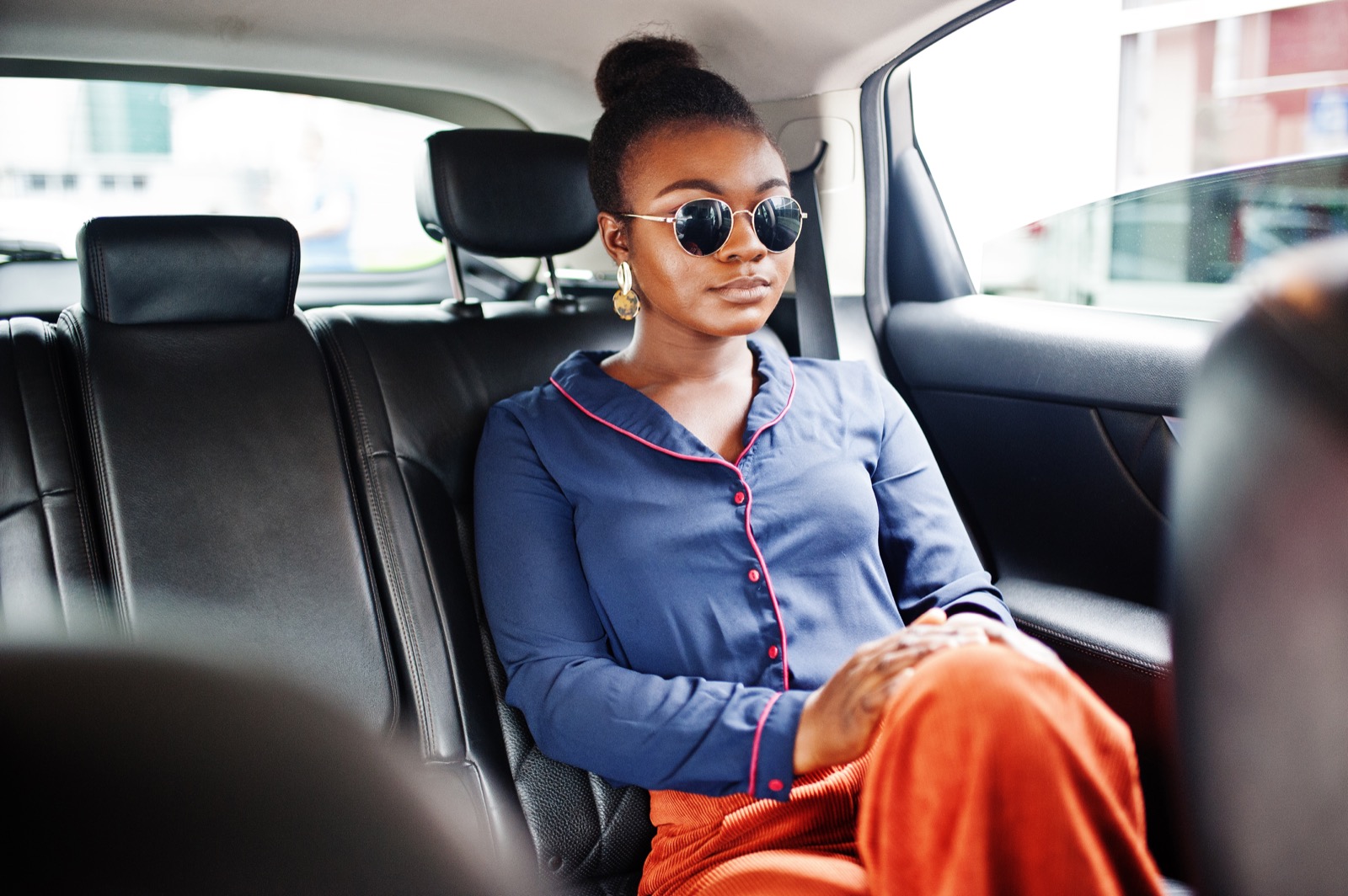
One of the game changing things for me in building a long term meditation practice was embracing the idea that meditation can, and should happen just about anywhere. Requiring perfect conditions for busy people is a recipe for a hard time keeping the kind of consistent practice that leads to the full benefits of meditation. That means not becoming dependent on any particular location, chair, cushion, noise level, view, etc...
For a busy parent with a hectic work schedule like me, that often means meditating in public which can be anywhere from a public bench, sitting my car waiting for kid activities to end or the work day to begin, or even in the Uber on the way to a work event all become viable places to fit in that hard to get 2nd meditation per day.
But public environments also come with risks. I often for example meditate in my car in a busy large city parking lot where there's all sorts of sketchy things going on. I often find myself pondering the benefits of getting those meditation sessions in comparison to the risks of turning my awareness inward in situations like this where outward situational awareness is critical in mitigating safety risks.
Here are some practical tips I've developed to mitigate risks while meditating in public.
Backpacks and Bags Keep your belongings secure before you close your eyes. If you're sitting on a bench or bus seat, place your bag on your lap with the straps looped around your arms, or set it behind your legs with your feet through the straps. This simple move prevents anyone from walking off with your belongings without your knowledge. Especially during deep meditations or if you happen to drift into a light nap. (hey, it happens)
No Headphones Avoid using headphones while meditating in public. While wearing headphones for guided meditations and apps is popular, headphones reduce your ability to notice important sounds around you. Situational awareness, footsteps approaching, changes in tone or rhythm in the environment, is one of your best safety tools. Meditation isn't about shutting the world out; it's about meeting it with awareness. Let the sounds of your surroundings become part of your practice.
Pepper Spray and Personal Safety Tools If you choose to carry pepper spray or another personal safety tool, it can rest in your hand during practice, especially if you're meditating in your car where there's low risk someone will take it from you without your knowledge. In your car, you don't need to hold it tightly or let it distract you, just enough to be ready if something startles you. (like someone trying to open your car door)
Safety While Meditating in Your Car Speaking of cars, your car can be one of the safest and most private places to meditate, but it still deserves attention to detail.
Lock your doors. Some cars automatically unlock the doors when you put them in park. If you park your car then intend to meditate, manually lock the doors to make sure someone can't just open the car door to surprise you.
Park in a well lit, visible area near doors or light foot traffic where a struggle would be more likely to be noticed and reported by others. Total isolation isn't safer, but quiet isn't essential; environmental sounds can simply be part of your awareness. In garages, choose spots near elevators or cameras.
Consider meditating in the back seat. Rear windows are usually tinted, giving you more privacy and making it less obvious that you're alone and sitting unaware of your surroundings.
Recognize pre assault cues. As you settle in to meditate, If someone's behavior nearby raises concern, trust that instinct. If the atmosphere feels off, whether it's a person nearby or just an uneasy sense, move. Intuitive perception often picks up on subtle safety cues before your mind can label them. Some common pre assault indicators include:
- Someone pacing, loitering, or repeatedly glancing toward you or your vehicle
- A person approaching directly when there are other open paths
- Sudden focused attention after ignoring you before
- Unusual questions or attempts to engage you in conversation while closing distance
- Hands hidden in pockets or behind the back
- Rapid changes in demeanor such as anger or agitation appearing suddenly
- Two or more people separating or flanking as they approach
If you notice these signs, simply move on or relocate. The safest response is to act early rather than rationalize the behavior away.
- Avoid high crime locations.
- Gas stations and convenience stores account for about 4.5% of all reported violent crimes and nearly 14% of robberies in the U.S. according to FBI and industry data from 2022 (Convenience Store News,NACS). Parking lots and garages are also common crime sites, with more than 1 in 10 property crimes occurring there (Isenberg Hewitt). These statistics confirm that what may seem like quiet, empty spaces are often the most vulnerable environments.
- Whenever possible, choose safer public locations like parks or visible café patios with foot traffic and avoid isolated parking lots, or dark corners of garages.
- Choose the Right Position Sit facing open space rather than corners or walls so you can sense what's around you. Avoid being boxed in or sitting with your back to a doorway or path where someone could approach unseen. Keep your phone within reach but on silent, ready if needed but not distracting.
- Wear Sunglasses If you're meditating during the day, wearing sunglasses can make it less obvious that your eyes are closed. This simple choice helps you stay private and less noticeable while still remaining relaxed.
- Meditate with a Friend or Group Public group meditations in parks or outdoor areas increase safety through visibility and shared presence. Even silent practice with others creates mutual awareness and reduces risk.
- Let Someone Know If you regularly meditate in a car, park, or hiking area, let a friend or family member know where you'll be and for how long. A simple text before and after your session provides an extra layer of safety.
- Use the Environment Intentionally Natural barriers like trees, benches, or planters can create comfortable enclosures while keeping sightlines open.
- Have an Exit Plan Before closing your eyes, note where the nearest open spaces, doors, or public areas are. Simply knowing your exits can calm the nervous system and let you settle more fully into the practice.
- Respect Property and Perception Meditating in public can draw curiosity or misunderstanding. Choose spaces where your presence is appropriate and avoid private business lots or doorways.
- Consider Weather and Physical Safety In extreme heat or cold, keep sessions short to avoid dizziness or dehydration. Bring water, and use a small mat or blanket if sitting on grass or pavement for comfort and quick mobility.
TL;DR
Practicing in the real world means balancing inward awareness with alertness. With a few simple precautions, you can enjoy the deep mental rest of your practice anywhere while reducing the risk of diving inward in public spaces.
Thanks for reading! Subscribe for free to receive new posts and support my work.
(Image by Freepik)
Keep reading
The Not-So-Straight Line of Awareness
How to keep perspective on your progress through a simple understanding of expanded awareness
Personal storyI Expanded My Awareness and All I Got Was This Substack
Chronicling a different kind of meditation journey for people who never thought they needed one.
Start with a free 30-minute conversation
Tell me what you're looking for. You'll leave knowing which practice fits you and how to begin. There's no cost and no commitment.